Look beyond the headshot
When reviewing a portrait, it is easy to inspect the face and overlook everything below it. Yet the position of your shoulders, arms and torso is part of the image someone sees. A wider photograph gives those details room to speak.
SwipeIQ treats body language as part of the photographic brief. The question is how to create a natural, comfortable presentation that suits the scene and still feels like you.
Two ways to study the same question
Vacharkulksemsuk and colleagues’ 2016 paper studied open, expansive posture through two settings. In recorded speed-dates, trained raters coded posture, and participants indicated whether they wanted another meeting. More expansive posture was associated with more interest.
The researchers also ran a dating-app field experiment using six people, with an expansive and a contracted profile for each. Every profile contained four photos in its assigned posture condition. They recorded reciprocated interest; the expansive versions received more positive responses.
The field comparison changed a whole photo set. It gives a reason to consider body language across a profile, rather than a percentage promise for one pose. A further rating study examined perceived dominance and openness as possible explanations.
Our practical application: comfortable, open, specific
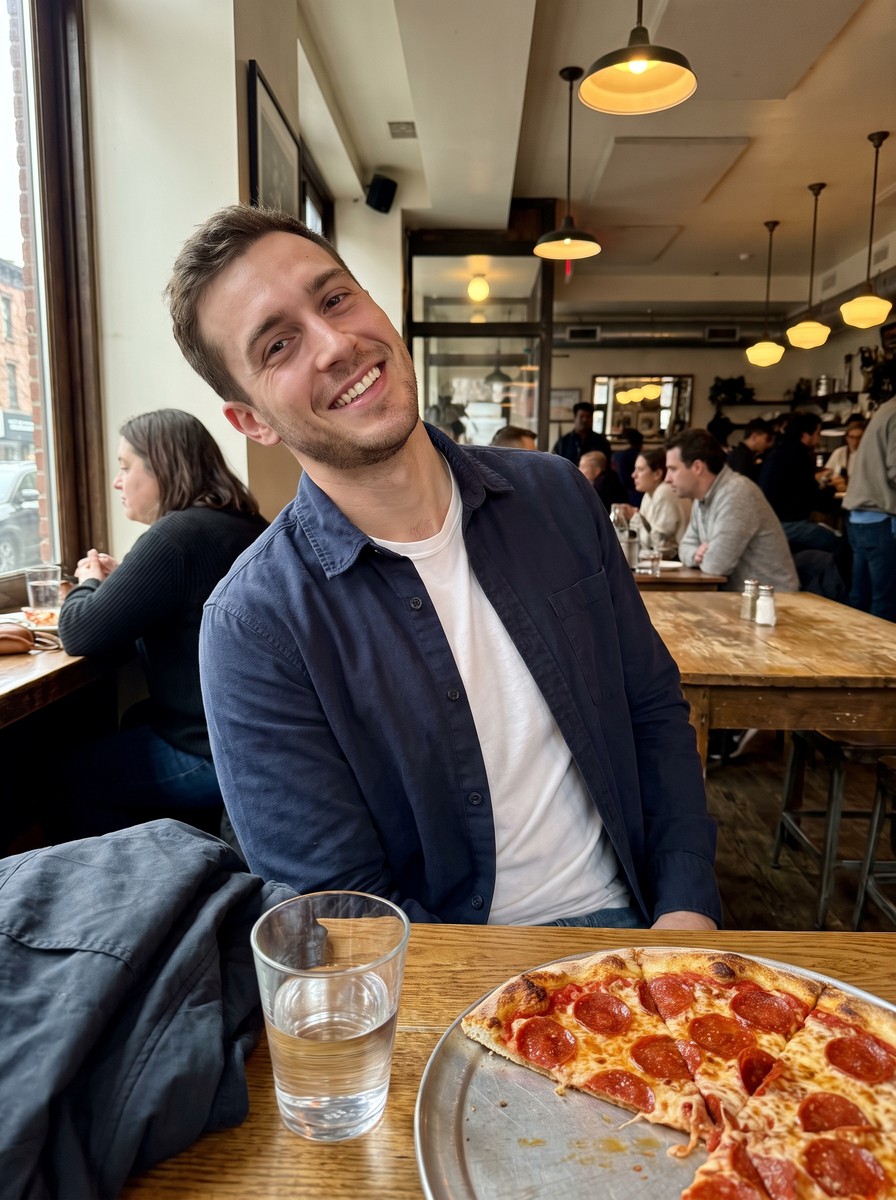
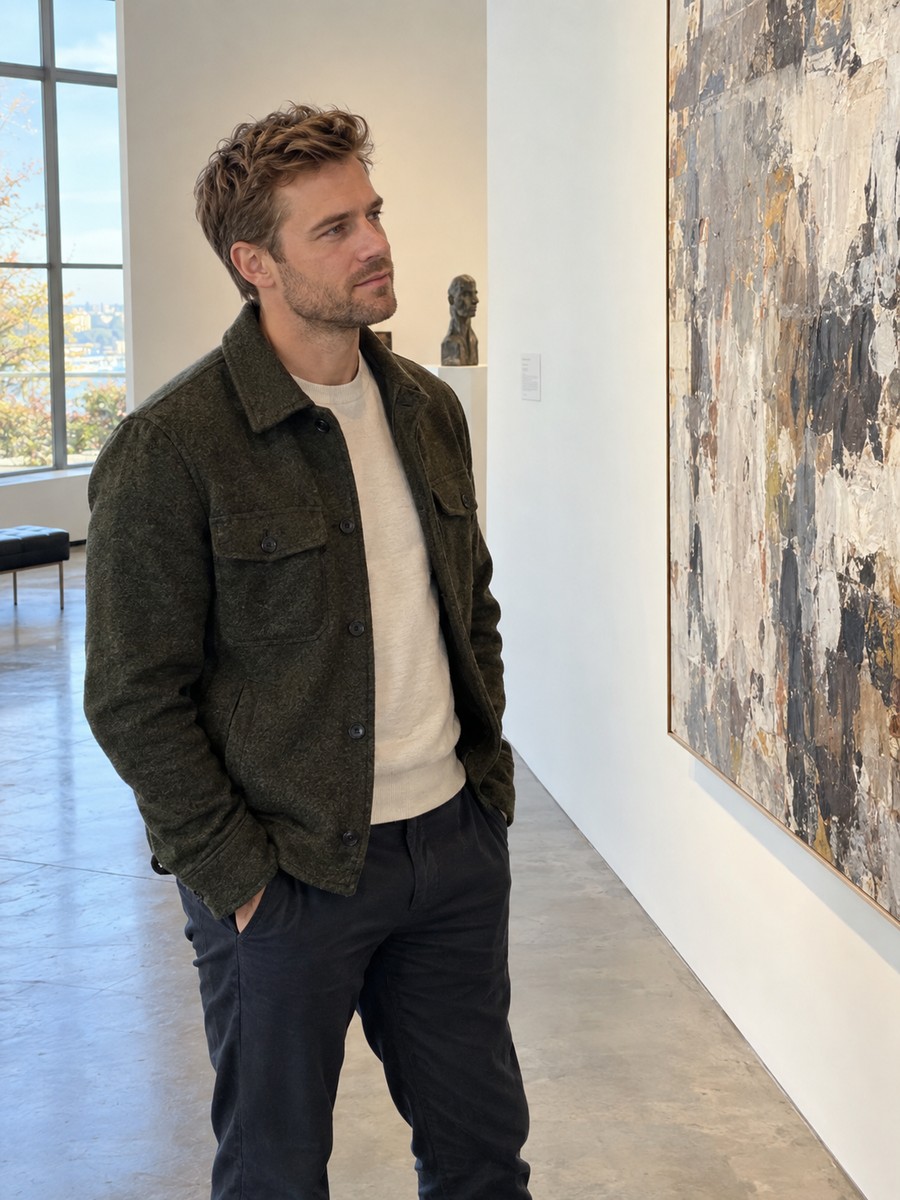
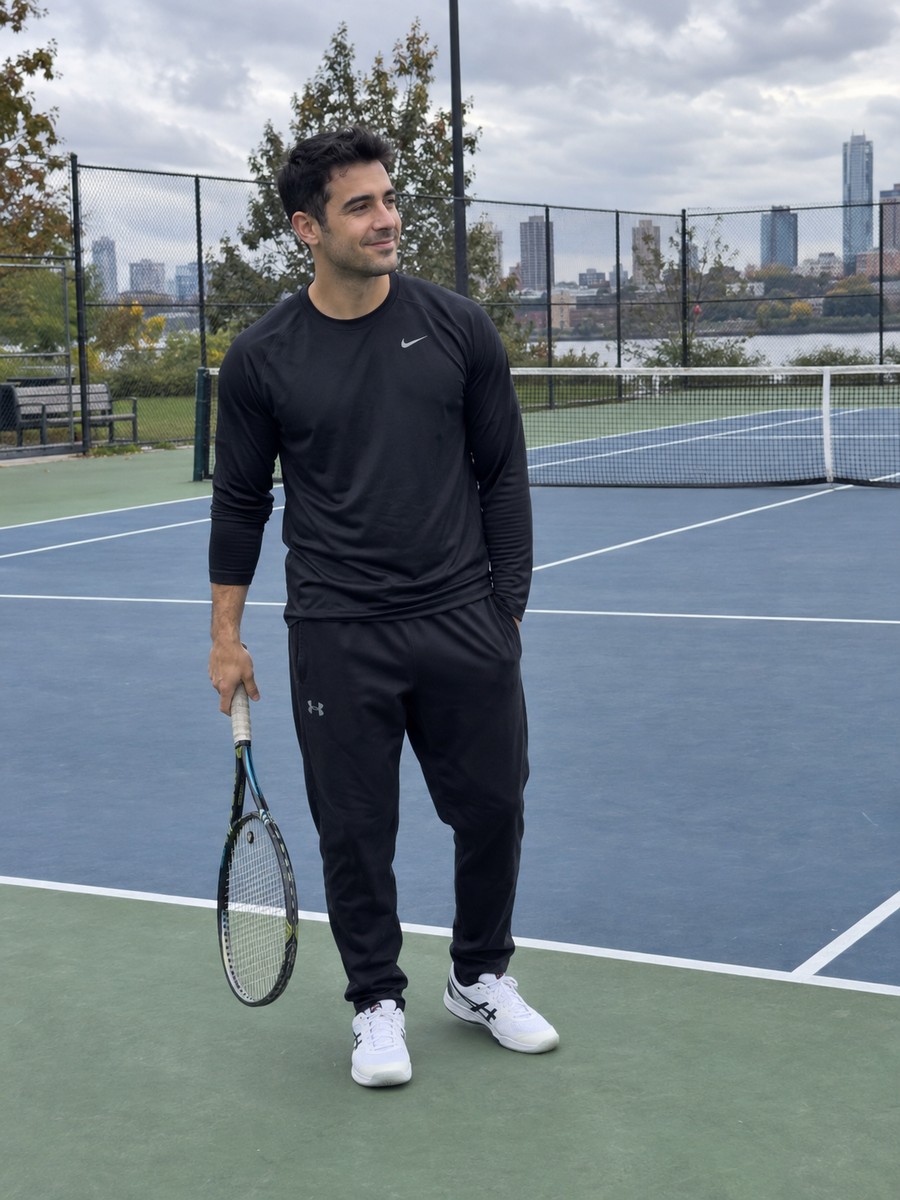
Start with a scene you can actually inhabit. At a café, sit comfortably and give your hands a natural place. Standing outdoors, let your shoulders settle and leave enough room in the crop to see your posture. In an activity photo, let the activity give you something to do.
Review for tension: a raised shoulder, tightly held arms or hands that look staged. Adjust one detail and compare. The goal is an image with the ease of a good moment, rather than an exaggerated pose held for the camera.
These are our photography recommendations for applying the topic. The study’s measured comparison was expansive versus contracted photo sets; individual camera directions belong to the creative process.
Give the rest of the lineup room
A close portrait can introduce your face. A wider view can show your posture and style. An activity image can bring movement and a concrete interest into the profile. Those roles work together, making the whole set more informative.
Check your photos side by side. Repeating one pose in every scene leaves less room for variety. Choose a relaxed portrait and a different kind of wider image, then use the lineup framework to complete the set.
From an observation to a photo plan
Published findings help us identify photographic choices worth considering. SwipeIQ brings that research together with proprietary data from our users’ real dating-app profiles and our own private experiments.
Your interests and goals make the brief personal; your reference photos guide your likeness. Body language becomes one considered detail in a complete, data-driven photo plan. Explore the SwipeIQ approach.
Sources
Sources checked October 18, 2026. Platform features and policies can change.
SwipeIQ research & guides. Our editorial approach.