Your face is only part of the picture
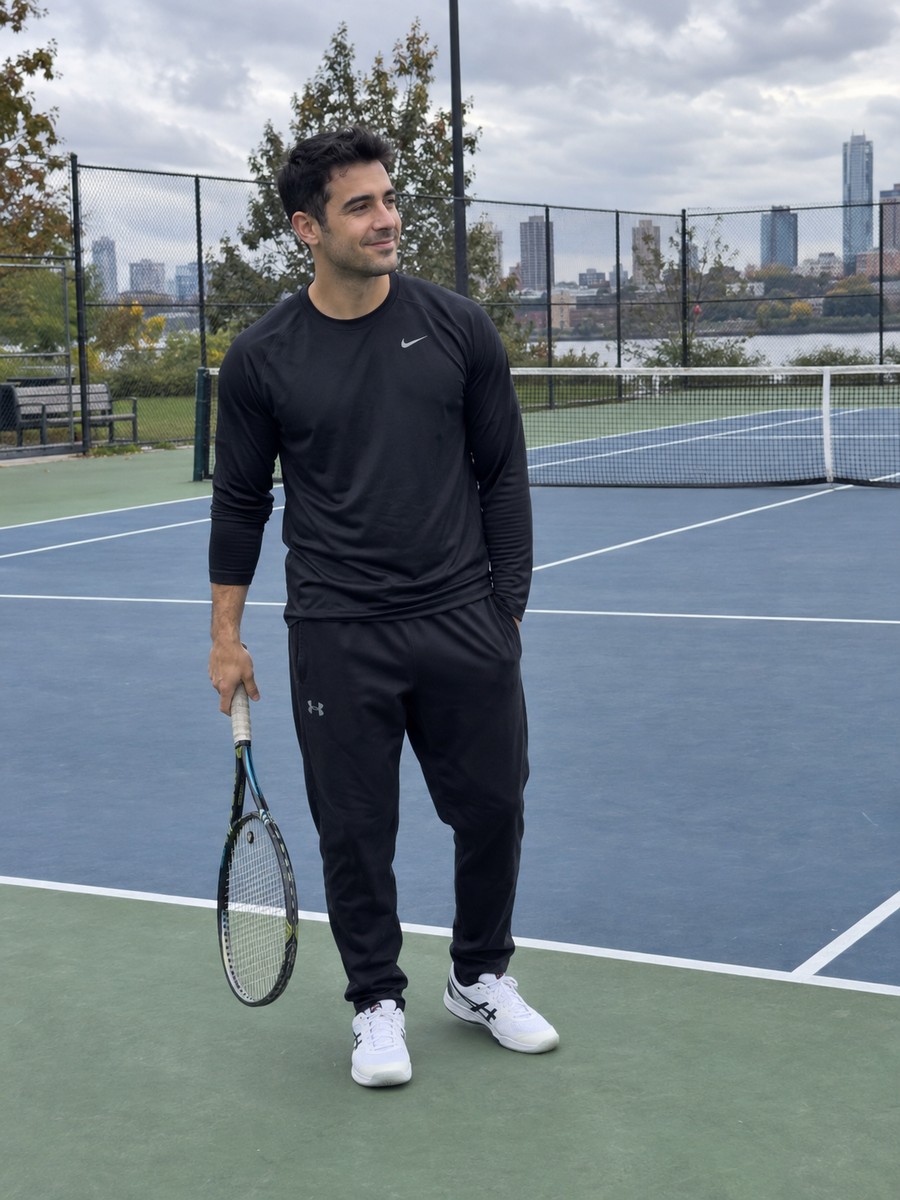
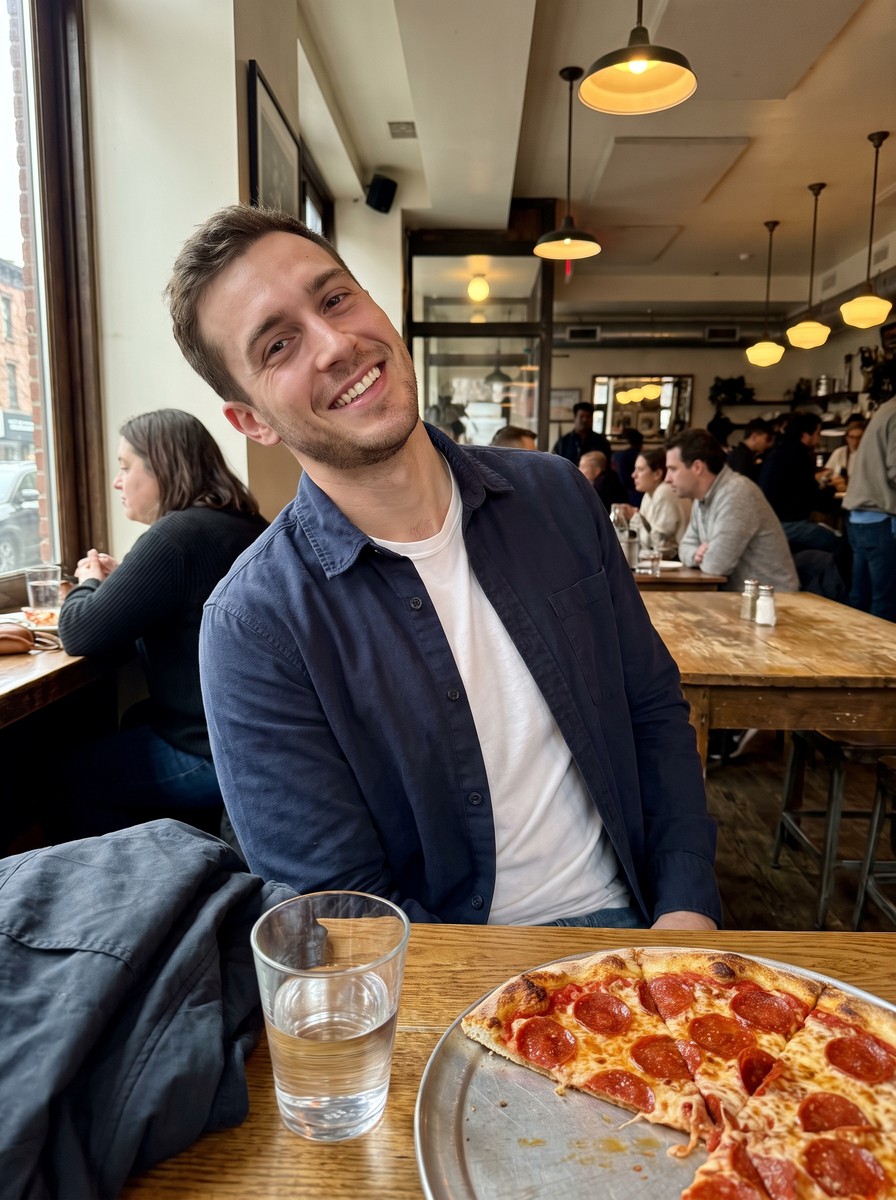
Think of two photographs taken on the same evening. In one, you are mid-sentence under a ceiling light. In the other, you are relaxed across the table, looking toward the camera. Your appearance has barely changed. The pictures tell different stories.
That distinction matters for a dating profile. Someone is meeting a small selection of photographs before they meet you. Choosing that selection deserves a deliberate process: what introduces you clearly, what feels engaging, and what gives the next photo something to add?
What researchers actually compared
In a 2014 paper, Alexander Todorov and Jenny Porter compared judgments of different photographs of the same people. Across their experiments, changing the image produced substantial changes in perceived traits. Differences between images of one person could rival or exceed differences between people.
The research also examined context: images preferred for a dating profile could differ from those preferred for a political campaign. The judgments concerned the impression an image created, rather than the person’s actual character.
A separate 2011 study by Rob Jenkins and colleagues found that attractiveness ratings could vary more between photographs of the same face than between different faces. Both papers make the image itself a serious object of study.
A better photo starts with a better brief
For SwipeIQ, the useful question becomes: how should this person be photographed for this profile? That is a much more actionable brief than asking for a generically flattering portrait.
Our practical starting point is a face that reads clearly at phone size, an expression that feels familiar, and a setting that belongs in your life. Then we look at the lineup. A polished dinner portrait and an active weekend photo can each have a job, even if neither would replace the other.
Try this with your current pictures: compare two recent photos side by side. Describe the first impression in a few words, then point to the visible detail behind it. A relaxed expression, a cramped crop or a distracting background gives you something specific to work on.
Where SwipeIQ takes it next
Published research gives us a foundation for understanding image perception. SwipeIQ combines it with proprietary data collected on dating apps from our users’ real profiles and our own private experiments.
That combination informs the direction of a profile: the scenes, presentation and variety we plan around your goals. Your reference photos anchor the likeness. The aim is a stronger presentation of the person someone will actually meet.
Explore our methodology or see how SwipeIQ plans AI dating photos around a complete lineup.
Sources
- Todorov & Porter (2014). Misleading First Impressions: Different for Different Facial Images of the Same Person.
- Jenkins et al. (2011). Variability in photos of the same face.
Sources checked October 18, 2026. Platform features and policies can change.
SwipeIQ research & guides. Our editorial approach.