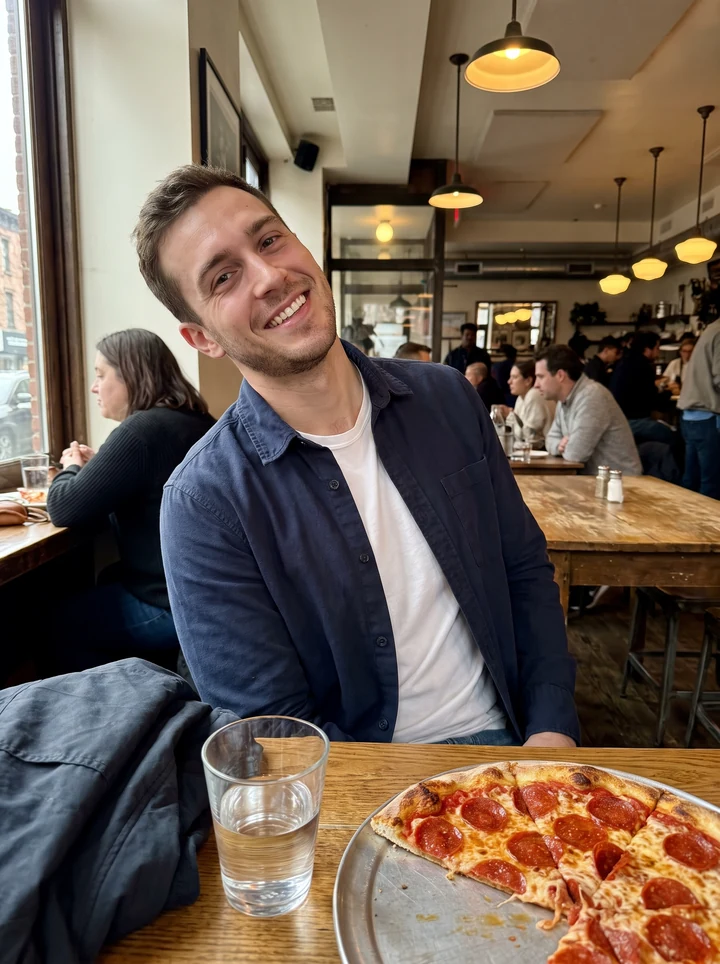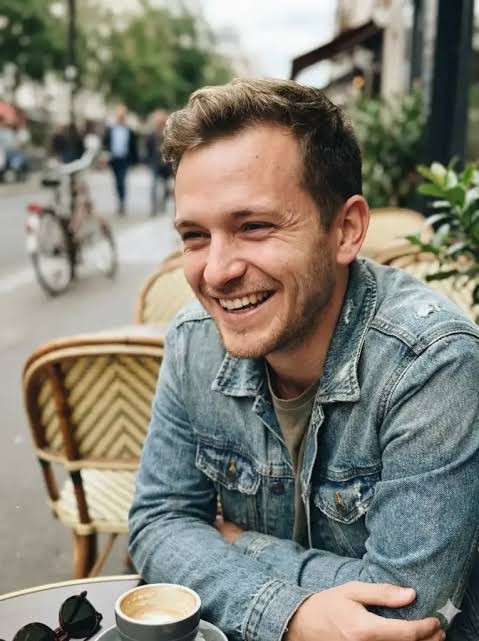
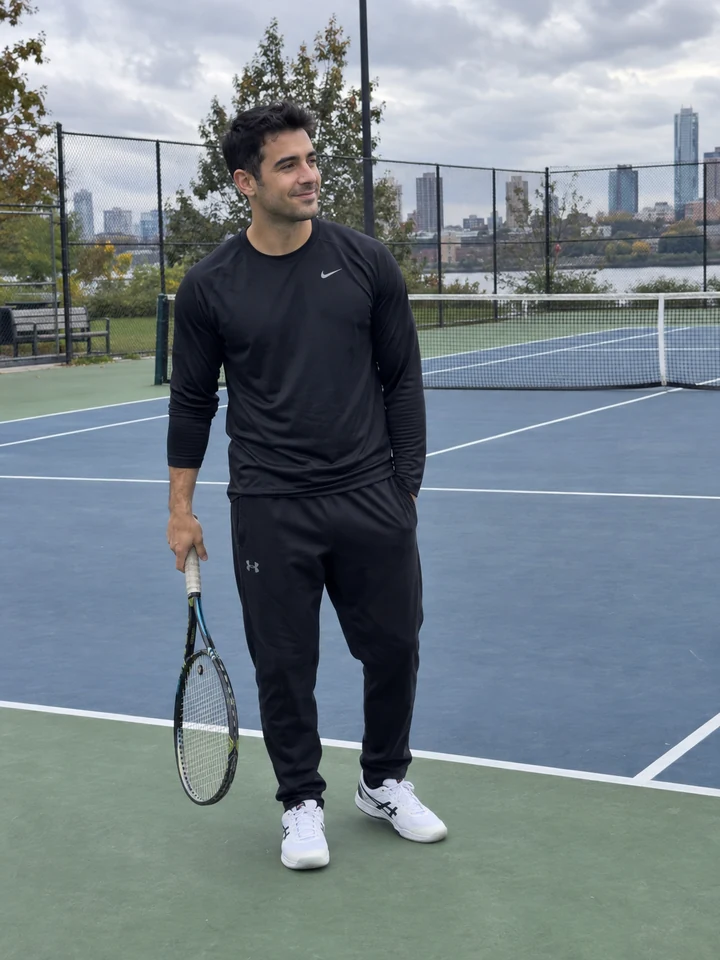
The gap in our study
We scored 243 dating-style photos of adult men with the SwipeIQ Photo Score, a model we trained to read a photo the way a dating app’s photo ranking does: how strongly a general dating-app audience is likely to respond to it. Photos taken by a friend or companion averaged 69. Arm’s-length selfies averaged 55.
Selfies tend to share the same problems: the face is close and slightly distorted by the wide front camera, the arm takes up part of the frame and the setting is mostly cut out. In our study, tight close-ups averaged 53 on their own.
Research points the same way
In a 2016 study, outside judges rated people’s selfies as less attractive and less likable than photos of the same people taken by someone else. A 2017 experiment with mock social profiles found a similar penalty. Hinge also lists selfies, especially mirror selfies, among the photos that tend to get fewer Likes.
What about mirror selfies?
The 18 mirror selfies in our study scored well, averaging 79, but most were gym or outfit shots framed from the waist or thighs up, so they already looked more like a portrait than a typical selfie. Hinge and Bumble’s photo feedback both advise against them. We wouldn’t lead with one.
How to replace a selfie
- Ask a friend to take a few photos from chest height, a couple of steps back, with you framed from the waist up.
- Use the back camera rather than the front camera. It is sharper and distorts less.
- Pick a place you would actually go: a café, a walk, a dinner.
Sources
- Re et al. (2016). Selfie indulgence: self-favoring biases in perceptions of selfies.
- Krämer et al. (2017). Influence of selfies on impression formation on social network sites.
- Hinge Help Center: tips for choosing profile photos.
- Bumble Support: photo feedback.
Sources checked October 18, 2026. Platform features and policies can change.
SwipeIQ research & guides. Our editorial approach.